Ford Maverick Mud Flaps & Splash Protection Buyer's Guide: Flaps, Wheel-Well Liners, Flares & Cowl Screens
How to stop road spray, mud, and stone chips from wrecking a Ford Maverick's paint — mud flaps vs. fender flares vs. wheel-well splash covers vs. cowl debris screens, the Lobo-trim fitment fork, no-drill mounting, and where to buy new on Amazon or used/OEM on eBay Motors.
Top Picks in This Guide
Protection and personalization
New wheel and tire setups
Protection and personalization
Protection and personalization
Protection and personalization
| # | Product | Owner Reviews | Availability | Best For | |
|---|---|---|---|---|---|
| 1 | 719 | $37.99 In Stock at Amazon | Protection and personalization | Buy on Amazon
Prime Eligible
| |
| 2 | 201 | In Stock at Amazon | New wheel and tire setups | Buy on Amazon
Prime Eligible
| |
| 3 | 568 | $139.99 In Stock at Amazon | Protection and personalization | Buy on Amazon
Prime Eligible
| |
| 4 | 21 | $15.99 In Stock at Amazon | Protection and personalization | ||
| 5 | 39 | $14.99 In Stock at Amazon | Protection and personalization |
Nothing ages a Ford Maverick faster than the stuff the tires throw at it. Road spray sandblasts the rocker panels, gravel chips the paint behind the front wheels, winter salt works into the wheel arches, and by the second spring the lower body of an unprotected truck looks a decade older than the rest of it. The fix is cheap, bolt-on, and completely reversible — and it’s four different parts doing four different jobs. This guide covers mud flaps, wheel-well splash covers, fender flares, and cowl debris screens, the one trim fitment fork that actually bites, and where to buy new on Amazon or used and OEM on eBay Motors.
The four zones of splash protection
It’s worth understanding the geometry before you buy anything, because “splash guard” gets used for parts that don’t do the same job at all:
| Part | Where it mounts | What it stops |
|---|---|---|
| Mud flaps | Below the wheel arch, behind the tire | Spray thrown backward and outward — at your rockers, doors, tailgate, and anything you tow |
| Wheel-well splash covers | Inside the arch, on the liner | Mud and stone flung up into the wheel cavity, at suspension, wiring, and body seams |
| Fender flares | Over and outside the arch | What a wider or taller tire throws up and out past the factory bodywork |
| Cowl water barrier | The channel at the base of the windshield | Leaves and debris packing into the drain channel and blocking it |
Most owners only ever need the first one. If you drive gravel, tow, or live where the roads get salted, the first three together are what keeps a Maverick’s lower body looking new at 60,000 miles. The fourth is unrelated to your tires but sits in the same “keep crud out of the truck” category, and it’s the cheapest part on this page.
Mud flaps: the highest-value protection part on the truck
If you buy one thing from this guide, buy flaps. They cost less than a tank of fuel, install with hand tools in an afternoon, and they intercept the single biggest source of cosmetic damage on a daily-driven truck.
The Mabett Maverick mud flap set is the piece to understand here — it’s the most-reviewed protection part in our lineup, with over 700 owner reviews at a 4.6 average, and its construction shows why the good sets cost a little more than the generic ones. The upper section is rigid PP so it bolts to the fender liner and holds its shape at speed instead of flapping and wearing a mark into your paint. The lower section is flexible TPE so when it meets a curb, a snow bank, or a rutted driveway it folds and springs back rather than cracking off. Cheap one-piece hard flaps fail at exactly that seam.
The other thing that matters is that it’s a direct bolt fit: the mounting points reuse the fasteners already in the Maverick’s wheel arch, so there’s no drilling into painted metal and nothing to rust later. It’s fully reversible — pull them before you sell and the truck is stock.
The one fitment fork to check: the Lobo. Because the Maverick is only sold as a four-door SuperCrew, there’s one body across the range and Maverick-cut flaps fit XL, XLT, Lariat, and Tremor from 2022 through 2026 without drama. The 2025-and-later Lobo is the exception — it changes the lower body work, and this set (like most Maverick flap sets) states it does not fit the Lobo trim. If that’s your truck, confirm Lobo fitment is called out explicitly before ordering. Every other part on this page is far less trim-sensitive.
Wheel-well splash covers: protection you don’t see
Flaps handle what comes out of the arch. Wheel-well splash covers handle what stays inside it. Every rotation, the tire flings water, salt slurry, and stone up into the wheel cavity, where it lands on suspension components, brake lines, wiring, and the body seams that rust first. A liner guard adds a heavy-duty barrier over that path.
The Mabett rear wheel splash covers are a two-piece heavy-duty PP set cut for the 2022–2026 Maverick’s rear arches. This is the part you’ll never look at again after installing it, which is exactly the point — it’s cheap insurance on the part of the truck that quietly determines how well it ages. It pairs naturally with flaps: the flap catches the outbound spray, the liner guard catches the inbound.
Fender flares: coverage above the arch
Fender flares solve a different problem — width. Stock Maverick tires sit under the factory arches, so the bodywork does its job. Run wider tires, a lift or leveling kit, or a wheel with less inset, and the tread starts to sit outside the arch line. Now the tire throws debris up and out past the bodywork onto the doors and mirrors, and in many places uncovered tread is also a compliance issue.
The Mabett fender flare set is a front-and-rear injection-molded PP kit in the wide-body style with a screw mount, which is the same set we recommend in the wheel and tire fitment guide — check that guide first if you’re changing wheel or tire size, because the offset and width you choose determine whether you need flares at all. Flares and mud flaps are complements, not alternatives: flares extend the arch outward and upward, flaps extend the coverage downward.
Cowl water barriers: the five-minute fix nobody thinks about
The channel where the hood meets the base of the windshield is a drain, and it sits right beside the cabin air intake. Park under trees for one autumn and it fills with leaves and needles that pack into the corners, block the drain tubes, and back water up somewhere it shouldn’t go. A mesh barrier sits over that channel and lets water through while keeping debris out.
Two versions are stocked here: the Mabett two-piece ABS mesh cover and the xipoqix water barrier board, both cut for the 2022–2026 Maverick channel. Neither is glamorous, both install without tools, and both save you fishing wet leaves out of the cowl every November. If you park under trees, this is the highest ratio of annoyance-solved to money-spent on the whole truck.
What to buy, in what order
- Mud flaps, all four corners — biggest visible protection for the least money, and the part that determines how your lower body looks in five years.
- Wheel-well splash covers — cheap, invisible, and aimed at the rust and component wear you can’t see happening.
- Fender flares — only if you’ve gone wider or taller on tires, or you want the wide-body look.
- Cowl water barrier — buy it now if you park under trees; skip it if you don’t.
Get flaps on the truck first, then work down the list as budget allows. None of it requires drilling, none of it is permanent, and all of it comes off in an afternoon if you sell.
How to buy
- New protection parts: Amazon Automotive — the five pieces above, plus more in the exterior and wheels & tires categories. Check current pricing and availability on Amazon; we don’t cache prices here.
- Used, take-off, or OEM: eBay Motors, via the search buttons below. Fender liners and factory splash shields are the real find here — they’re the parts that get cracked in a minor front-end scrape, so replacements and take-offs from parted trucks are common and far cheaper than dealer pricing. Flares and flap sets also turn up used when owners change their build.
Once the lower body is protected, the window visors and bug deflectors guide covers protection from the windshield up, the bed liner and bed mat guide covers the cargo box, and the exterior accessories roundup ties the whole outside of the truck together.
Shopping used or OEM? Try eBay Motors
Live listings for the parts covered in this guide — prices set by the seller.
Recommended Parts for This Guide
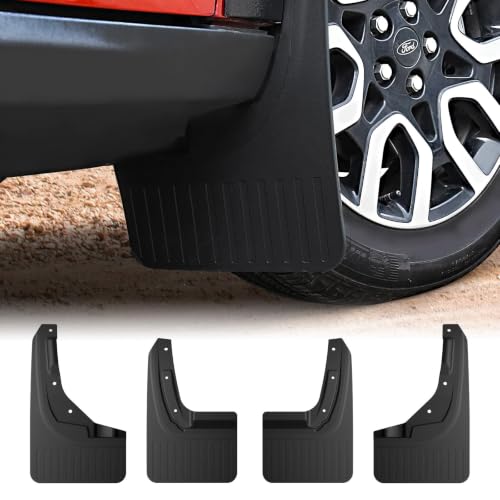
Mabett Mud Flaps for 2022-2026 Ford Maverick Accessories
719 owner reviews
Mabett Mud Flaps for 2022-2026 Ford Maverick Accessories | Not Fit Lobo Trim, Upper PP Rigid and Lower TPE Flexible, Fender Splash Shield Guard, Debris Protection, Direct Bolt Fit. Protect and customize the outside of your Maverick with this durable exterior upgrade.
- Protects & customizes
- Durable weather-ready build

Mabett Rear Wheel Splash Covers for 2022-2026 Ford Maverick Accessories
201 owner reviews
Mabett Rear Wheel Splash Shield Covers for 2022-2026 Ford Maverick Accessories All-Weather Splash Guard Prevent Mud and Stone Debris 2PCS. Wheels, tires, and hardware sized and rated for the Maverick.
- Truck-rated load ratings
- Maverick fitments

Mabett Fender Flares for 2022-2026 Ford Maverick Accessories
568 owner reviews
Mabett Fender Flares for Ford Maverick 2026 2022-2025, Front and Rear Wheel Eyebrow Maverick Accessories 4PCS Fender Trim. Protect and customize the outside of your Maverick with this durable exterior upgrade.
- Protects & customizes
- Durable weather-ready build
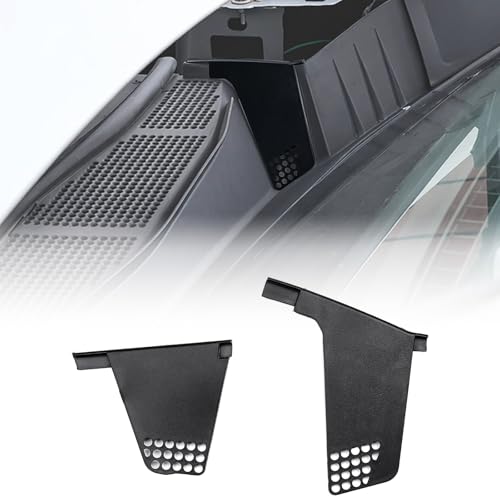
Mabett 2PCS Hood Water Barrier for 2022-2026 Ford Maverick Accessories
21 owner reviews
Mabett Hood Water Barrier for Ford Maverick 2022-2026 Accessories, ABS Mesh Filter Cover Front Channel Water Grille Protector 2PCS. Protect and customize the outside of your Maverick with this durable exterior upgrade.
- Protects & customizes
- Durable weather-ready build

xipoqix Hood Water Barrier Board Compatible with 2022-2026 Ford Maverick
39 owner reviews
xipoqix Hood Water Barrier Board Compatible with 2022-2026 Ford Maverick | Water Guide Grille Channel Barrier Guard Debris Filter Replacement for 2022-2026 Ford Maverick Accessories. Protect and customize the outside of your Maverick with this durable exterior upgrade.
- Protects & customizes
- Durable weather-ready build